VOL-VCA Study Notes
1Regulations and safety rules
Health and Safety (Arbo) law
- The Working Conditions Act (Arbowet) protects health, safety and well-being at work.
- Work must not harm workers. Order of measures: tackle the source → screen off / separate → PPE.
- Measures are required where reasonably feasible: technically, organisationally and economically.
Netherlands Labour Authority (NLA)
- Checks compliance with the Arbo law and the Working Hours Act.
- Can impose measures, write an official report (fine) or shut down work in case of serious danger.
- Investigates accidents. Serious accidents must be reported by the employer immediately.
Prevention and expert support
- Internal: the prevention officer supports day-to-day H&S.
- External: occupational health service / company doctor — helps with the RI&E, measures noise, climate and hazardous substances, does periodic health checks, guides sick employees and does compulsory medical assessments.
Other laws and CE
- Working Hours Act: working hours and rest periods; considers family responsibilities.
- Environmental Management Act: protects people and environment; proper waste disposal.
- European directives are built into Dutch law.
- CE mark (Conformité Européenne): product-safety mark, mandatory in all EU countries for work equipment, work clothing and PPE.
Tasks and responsibilities
- RI&E and plan of action
- Implement H&S policy
- Investigate, report and register accidents
- Provide training
- Safe equipment and working methods
- Don't create dangerous situations
- Use guards and PPE
- Follow instructions
- Use tools and machines correctly
- Report hazards
- Cooperate in accident investigations
Work permits
- Result of consultation between parties: binding agreements and conditions for the work.
- Specific permits: hot work, excavation, radiation sources, asbestos removal.
- Parts: work request → measures by the issuing department → measures by the holder → confirmation / sign-off.
General vs specific rules
- General rules: whole organisation, clear and unambiguous.
- Specific rules: extra rules for certain tasks or jobs.
- Procedures: step-by-step task descriptions; key part of workplace instructions.
SCC (VCA) certificates
| SCC** | Full approval — companies with 35+ employees and main contractors |
|---|---|
| SCC* | Limited approval — companies with fewer than 35 employees |
| SCC Petrochemical | Extra requirements on SCC** for high-risk work in petrochemicals |
| SCE | Secondment and temporary employment agencies |
| SCP | Clients that hire SCC/SCE-certified contractors |
Who the Arbo law covers
- Employer, employees, agency workers, interns/trainees, volunteers, and contractors' staff and visitors on site (the employer supervises them). Not local residents.
- The hirer is responsible for working conditions at the workplace of an agency worker.
- You may stop work when there is immediate serious danger; report it to your supervisor right away.
NLA powers and accident reporting
- Can ask for ID, investigate, give warnings, impose requirements, write an official report (fines can also hit employees) and stop work.
- Serious accident (hospital admission, permanent injury, death): employer reports immediately by phone or the online form — e.g. a broken ankle needing surgery, or a scaffold fall with hospital admission.
Health service, RI&E and other laws
- The employer must always appoint a prevention officer; the RI&E is drawn up with them and tested by a certified expert.
- Periodic medical exam (PMO) is voluntary. Pre-employment medical checks are compulsory for e.g. crane operators, SCBA users and work with radioactivity or asbestos.
- Working Hours Act aims to keep working times from endangering health and safety; NLA supervises.
- Environmental law regulates which hazardous substances may be used and how waste is disposed of. Best emission measures in order: change the process → filters → separate waste → housekeeping.
Work permit roles (Deltalinqs model)
| Applicant | Requests the permit: what work, method, location, who, start/end, renewal. |
|---|---|
| Issuer | Responsible for safety of the installation: checks it is released, agrees measures, arranges measurements, signs. |
| Holder | Manages the workers: signs, explains, keeps the permit at the workplace, makes sure conditions are followed. |
| Operational staff | Know the content, follow the conditions, only work with a valid permit. |
- Order: describe the work → set the measures → check release and measurements → sign.
- Never sign a permit you don't understand and never change one yourself. Extra risk needs an additional permit (e.g. hot work).
Rules and VCA itself
- Specific rules examples: independent breathing protection for certain jobs, personal gas detection. General rules must also be clear for non-native speakers; procedures apply to staff, contractors and trainees.
- VCA is a voluntary agreement, not a law: a safety management system against fixed requirements, audited every year by an accredited certification body.
2Safe working and consultation
Safe conduct
Behave so you don't endanger yourself or others: follow the rules and instructions, stop unsafe actions, remove unsafe situations, address a colleague's unsafe behaviour (or report it to a manager) and keep the workplace tidy.
Consultation and training
- Introduction for new employees; kick-off meeting at the start of work.
- Toolbox meeting: short, informal safety talk.
- HSE meeting: consult and motivate employees; record agreements clearly and check they are understood.
Inspections and observation rounds
- Safety observation rounds are done by managers and look at unsafe actions and unsafe situations.
- They raise safety awareness and give managers insight into the workplace.
- Plan rounds and workplace inspections in an annual schedule.
Fitness and tidiness
- No alcohol or drugs. Medicines that can affect you: ask your GP and tell your supervisor.
- Tidiness order: good layout → space to store tools/materials → prevent leaks/contamination → tidy up together at the end of the day.
Toolbox and inspections
- A toolbox encourages safe behaviour through instruction, tailored to the tasks. Participation is obligatory, agency workers included.
- Inspections should not disrupt the work; the report records the findings. Also mention good points and explain why.
Unsafe actions vs situations
- About 80% of accidents come from unsafe actions (e.g. no helmet, bypassing a guard), about 20% from unsafe situations (e.g. slippery floor, missing railing).
3Prevention
Hazards and risks
- Sources of danger: type of work, knowledge and experience, the workplace, well-being, mentality.
- Risk = probability × effect.
- Reduce risks by preventing unsafe actions and unsafe situations.
Accident prevention
Use clear task descriptions, supervision, instruction and training. A preventive policy looks at technology, organisation, people and environment.
TRA and LMRA
- TRA (Task Risk Analysis): like an RI&E at project level, for hazardous tasks or environments: prepare the work → analyse hazards → assess actions.
- LMRA (Last Minute Risk Analysis / Start Work Analysis): a short self-check at the workplace right before you start. Think first, act later.
Role of the manager
- Supervision, workplace inspections and safety rounds; organises consultation, instruction and training.
- Motivates by judging objectively, showing respect and explaining why, not just how.
- Sets the example.
RI&E and plans
- RI&E is mandatory for every company with (hired) staff: an inventory of hazards and their chance of harm.
- The plan of action (annual H&S plan) lists concrete measures, resources, responsible persons and deadlines.
- Update both regularly.
Causes and the LMRA steps
- Personal factors: knowledge, experience, motivation, attention. Task factors: wrong tools or method, poor supervision, time pressure.
- LMRA: look around → think about the risks → assess them → take measures. Not in order? Don't start. Check again when you leave.
- Before a job: know the task → right materials and tools → safe workplace → escape routes clear.
- Make or update a TRA before new projects, when the permit system requires it, when the method or sequence changes, or when conditions change (e.g. snow and ice).
4The workplace
Working environment
- Risks: falling, slipping, tripping, poor lighting, noise above 80 dB(A).
- Prevent with a good layout, good housekeeping and good lighting.
- Comfortable climate depends on clothing, exertion, temperature, air speed and humidity of 40–60%. Avoid draughts.
- Other environmental factors: light, sound, vibration, space, ventilation, furniture. Also prevent work pressure and sick leave.
Physical strain
- Lifting: max. 23 kg under ideal conditions. Use lifting aids or lift with two people; wear safety shoes and gloves; make a lifting plan, use good posture, set your own pace, take short breaks.
- Vibration: avoid long exposure, use damping materials and anti-vibration gloves, take breaks.
- Sitting: static strain; alternate sitting, standing and walking; support legs, back and shoulders.
Securing the workplace and installation
- Checked before work by an authorised person, as stated on the work permit. Never remove safeguards or locks.
- Isolate pipes with a blanking flange; never stand under a pipe while (dis)assembling; check regularly for leaks.
Safety signs
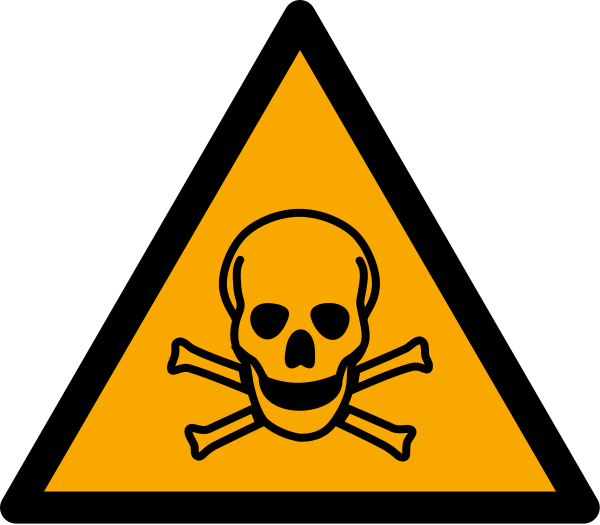
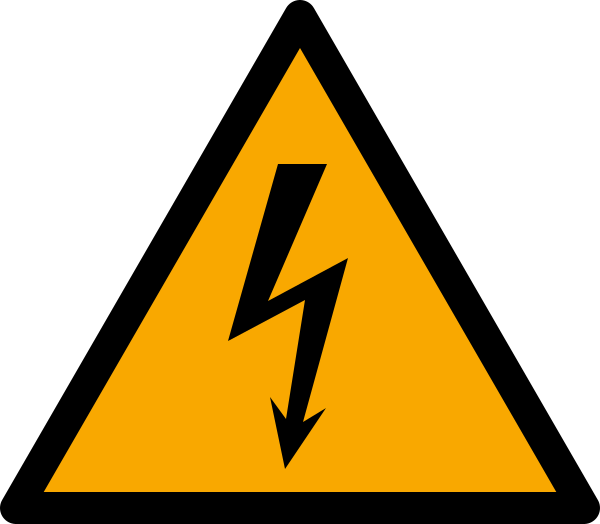
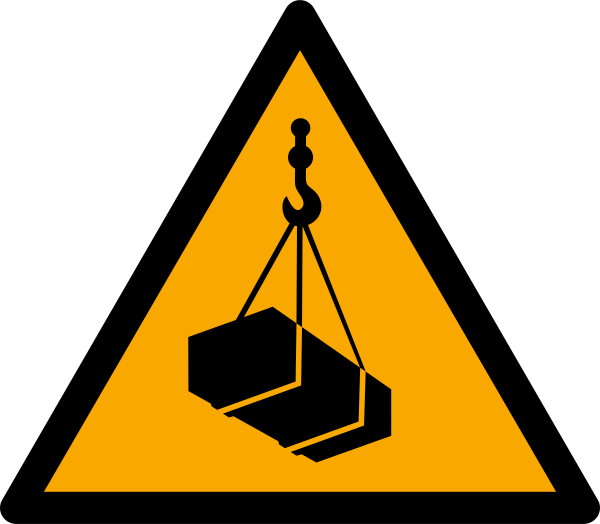
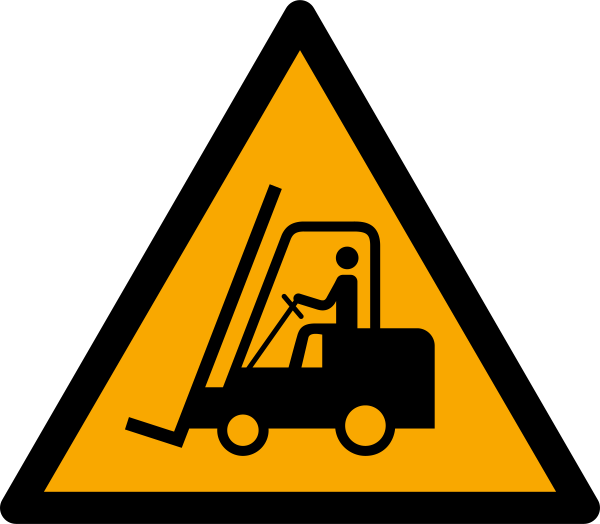
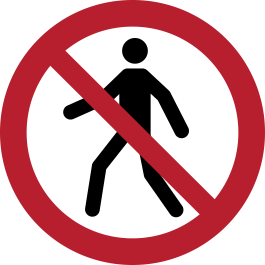
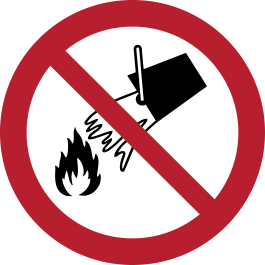
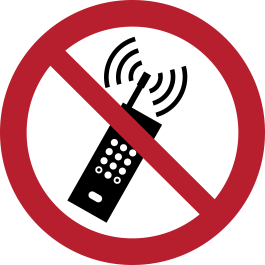
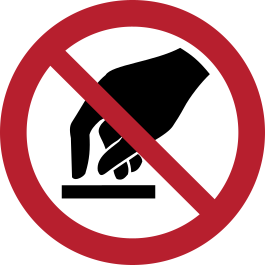
- Types: prohibition, mandatory, warning, safety (emergency/first aid).
- Markings and stripes show hazards, walkways and passages.
- Barrier tape marks danger but is not a physical barrier.
Noise in numbers
- 80 dB(A): employer provides hearing protection and offers a hearing test. 85 dB(A): wearing it is mandatory, signs, and a noise action plan.
- Adding sources: two equal sources = +3 dB (88 + 88 ≈ 91 dB). A much quieter source adds little.
- Order: quieter machine → screens → layout → hearing protection. Too much noise can also raise blood pressure.
More workplace rules
- Push/pull: max. about 50 N on a ladder. Keep loads close to the body.
- Securing an installation: take out of service → lock against switching on → check it is really secured. A plug-in/blind flange goes after the last valve.
- Markings: yellow-black diagonal stripes = obstacles; white or yellow lines mark passages and storage. Never remove or cover signs.
Safety signs (ISO 7010)
Warning signs. Yellow triangle with a black border: danger or hazard.
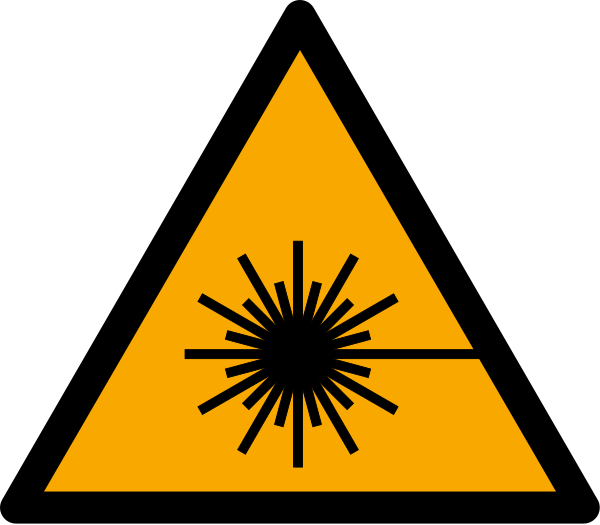
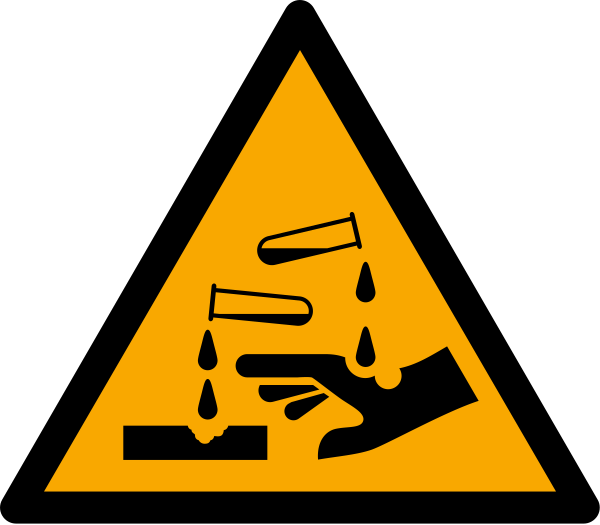
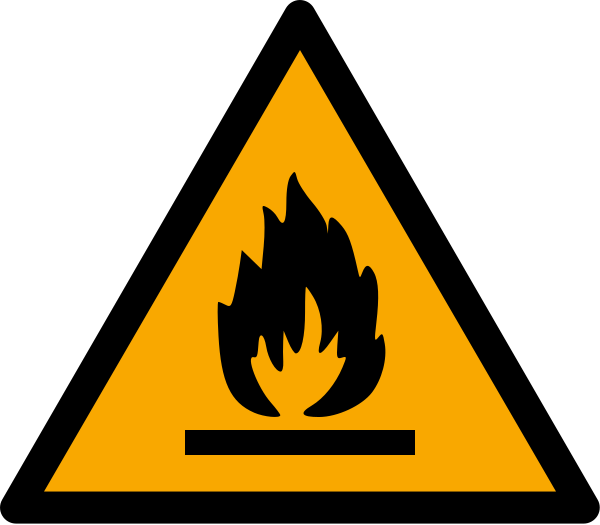
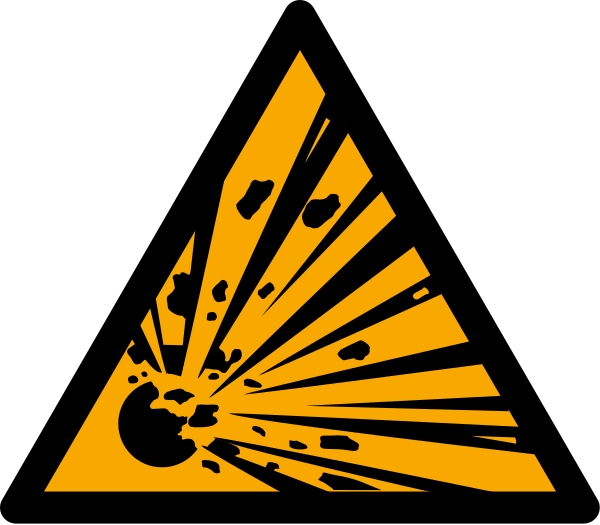
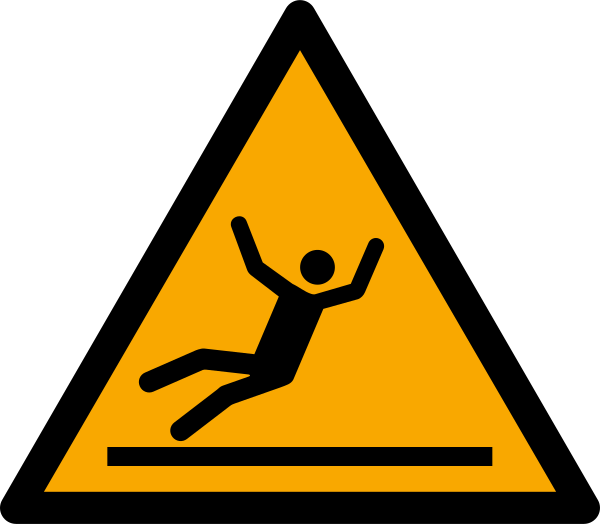
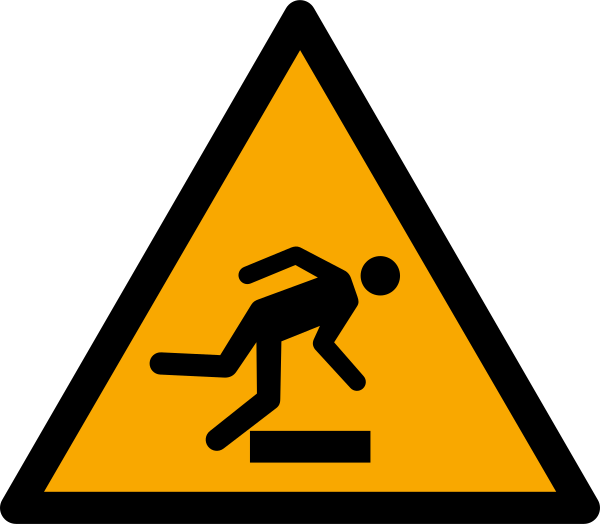
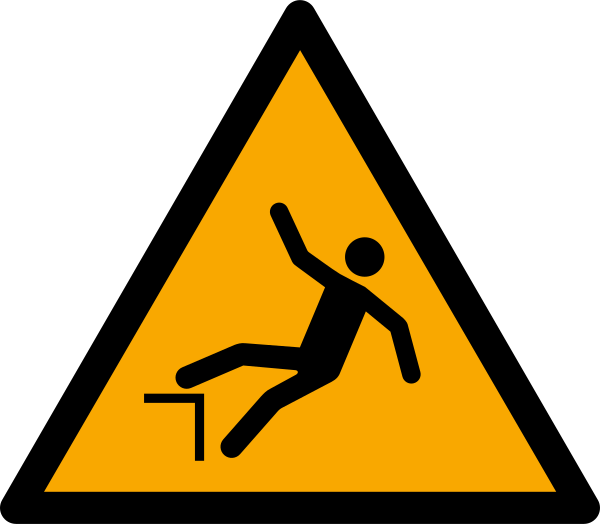
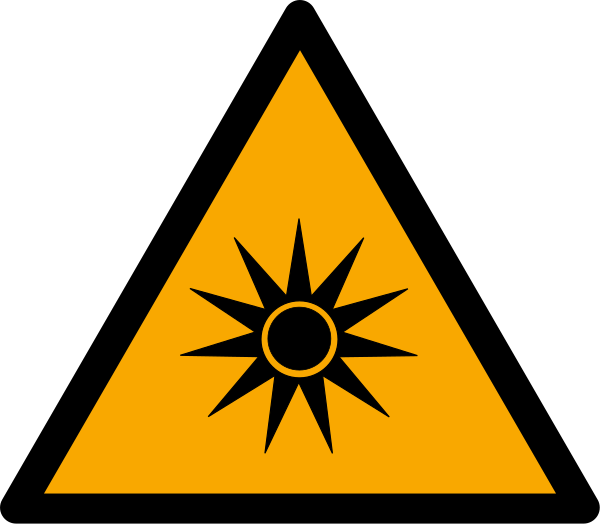
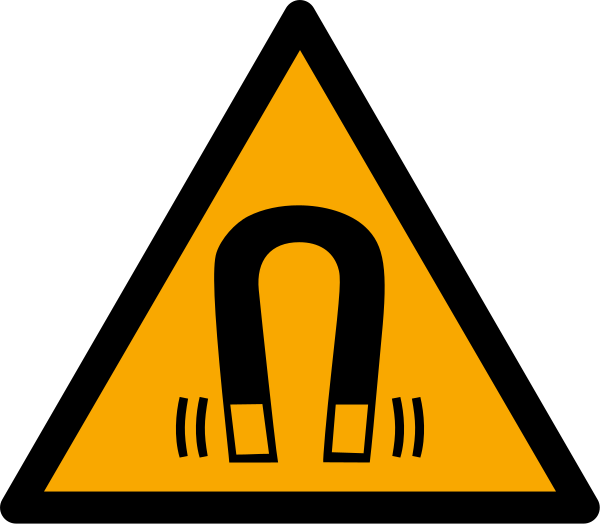
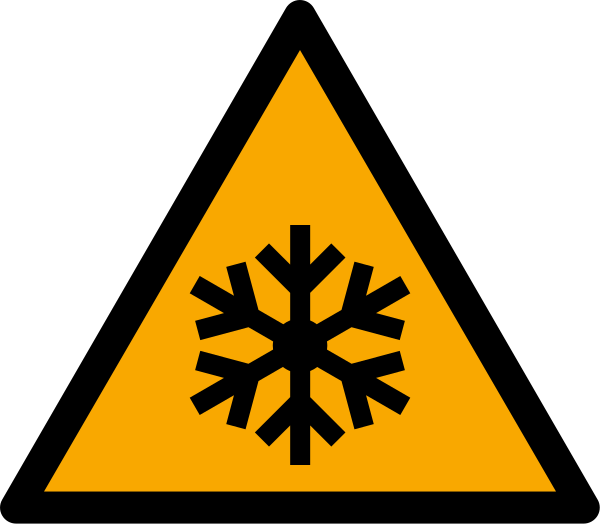
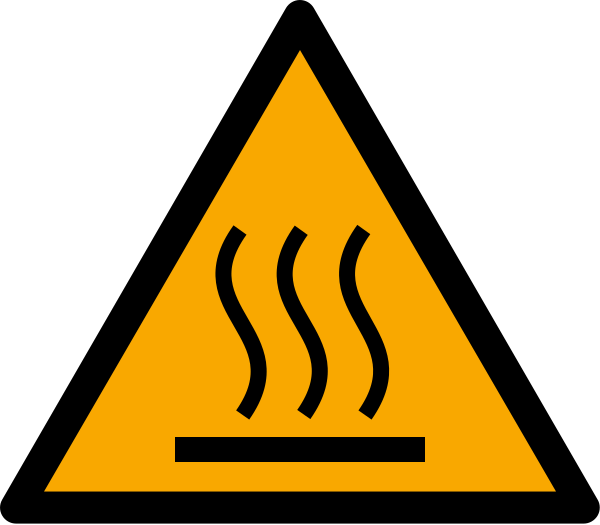
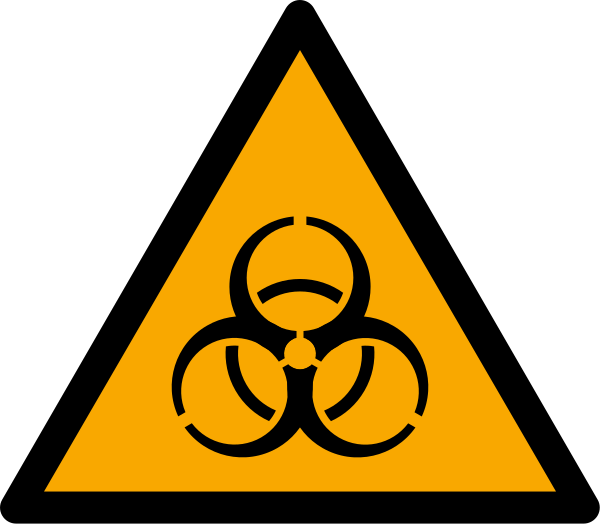
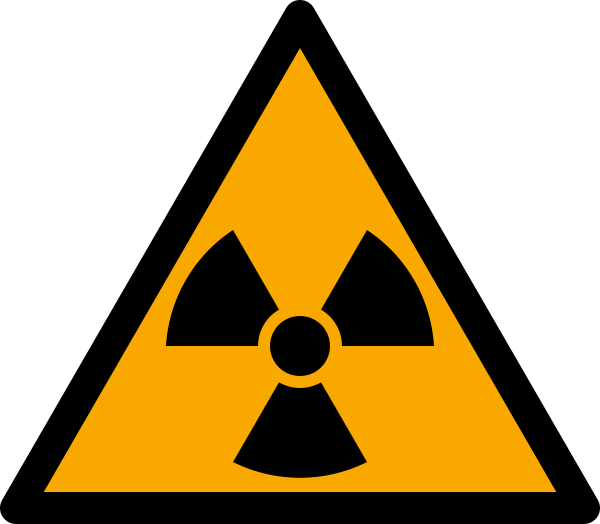
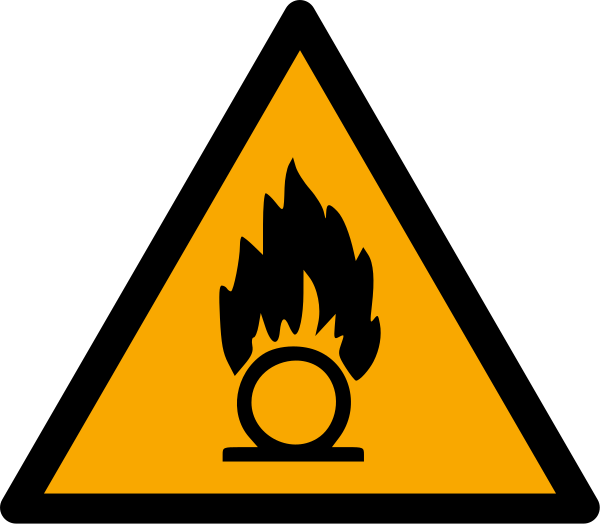

Mandatory signs. Blue circle with a white symbol: you must do this.




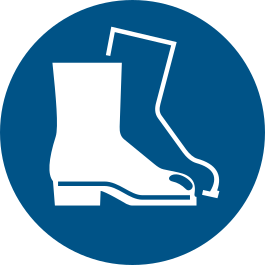

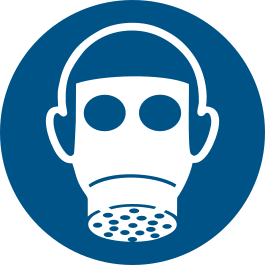
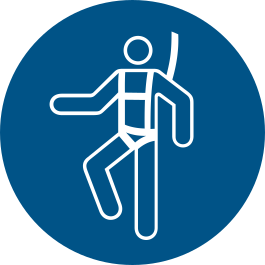



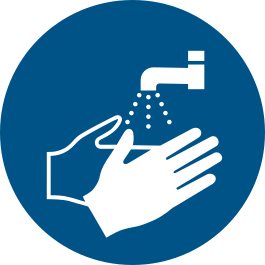
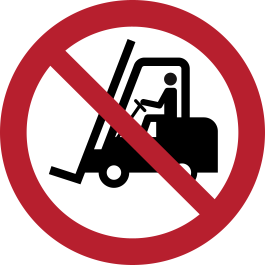
Prohibition signs. White circle with a red border and bar: this is not allowed.
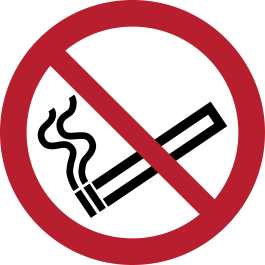
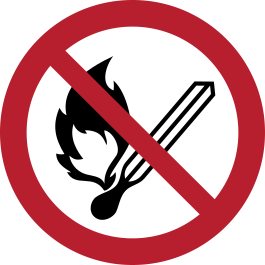
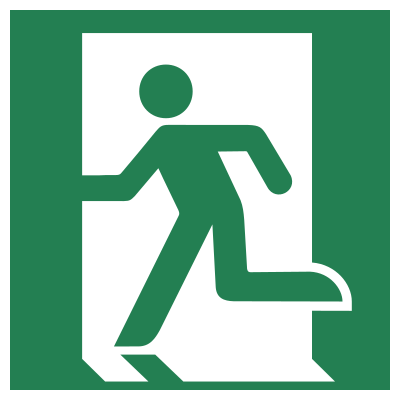
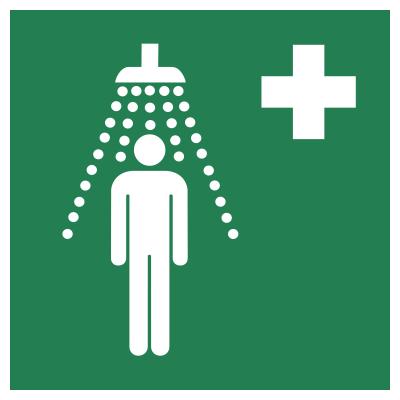
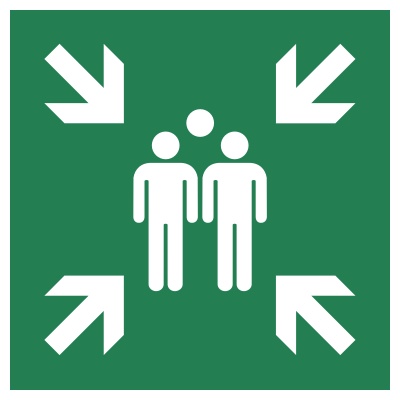
Emergency signs. Green rectangle with a white symbol: escape routes, first aid and safety equipment.



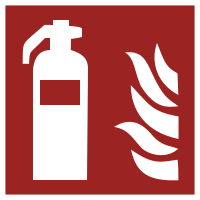
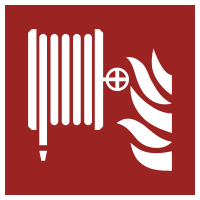
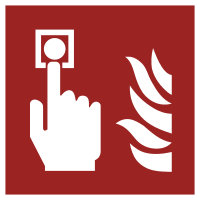
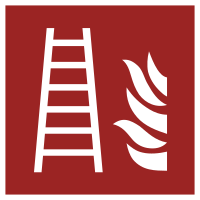
Fire equipment signs. Red square with a white symbol: firefighting equipment and fire alarms.
5Personal protective equipment
General
- Provided by the employer; compulsory when the work requires it.
- Must have a CE mark and instructions in Dutch. Use correctly, inspect, clean, maintain and store as instructed.
- Body protection: overalls, flame-retardant, high-visibility, all-weather and antistatic clothing.
Head, hands, feet
- Safety helmet, suitable gloves for the job.
- Safety shoes: S1 toe cap + antistatic · S2 = S1 + water-resistant · S3 = S2 + penetration-resistant midsole.
Eyes and face
| Safety glasses | Flying particles, e.g. drilling metal |
|---|---|
| Safety goggles | Dust and splashes |
| Face shield | Grinding, chainsaw work, larger fragments |
| Welding goggles | Gas welding / cutting |
| Welding shield / hood | Electric (arc) welding |
Hearing
Simple earplugs reduce about 10–15 dB(A); earmuffs and custom otoplastics about 25 dB(A).
Falls and breathing
- Fall protection: harness with lanyard or a fall arrester on a safety line.
- Respiratory: dust mask, half-face or full-face filter mask (filters clean the air, they don't add oxygen). Self-contained breathing apparatus is independent of the surrounding air.
PPE choices from the book
- PPE is the last resort, used when the source can't be tackled or a permit requires it, and it must not create new risks.
- Helmets have an expiry date; don't leave them on the car dashboard (heat/UV).
- Clothing: welding → flame-retardant; cold → work clothes plus insulating underwear; road work → high-visibility; corrosives → chemical-resistant.
- Eyes/face: brush cutter → helmet with mesh visor; high-pressure cleaner or acids → face shield; chopping/breaking → safety glasses.
- Hearing, most to least: wads + earmuffs → otoplastics/earmuffs → plugs → wads. Pneumatic breaker (~90 dB) yes; hammer and chisel (~75 dB) no.
Fall arrest
- Lanyard max. 1.5 m in a work platform; long lines (15–40 m) need a fall arrester.
- Inspection every year by a certified company, and again after catching a fall (harness, lanyard, absorber).
- Hanging in a harness: unconsciousness and death possible within 10–20 min. Raise the alarm, keep legs moving, rescue with two people. Never work alone.
Respiratory protection
- Oxygen below 19% → independent (air-supplied) protection; filters don't add oxygen.
- Protection, highest first: SCBA → full-face with filter → half mask → dust mask. Ceramic fibres: P3 filter.
- Fit test; no facial hair under a full-face mask; check filter expiry. SCBA users must be trained and medically approved.
6Work equipment
Stationary machines
- CE mark, electrical inspection to NEN 3140, guards on sharp and rotating parts, emergency stop, manual, instruction card, pictograms for risks and PPE.
- Under 18: only under supervision.
- Examples: column drill, grinding machine, circular saw. Clamp the workpiece, wear safety glasses, no jewellery or loose hair, never remove chips by hand.
Hand-held power tools
- Angle grinder: guard, side handle, correct disc; safety glasses.
- Circular saw: riving knife and self-closing guard; only tight-fitting gloves.
- Chainsaw: 18+ and trained; chainsaw trousers, helmet with visor and ear muffs, boots and gloves with saw protection.
Hand tools
Use the right tool, only for its purpose; repair or replace damaged tools.
Hoisting
- Hoists need inspection documents, CE mark, load tables and a trained operator. A manual hoist can also move loads horizontally.
- Accessories (chains, cables, slings): don't use if damaged, don't repair yourself, must be inspected and labelled.
- Multi-leg slings / lifting beam: spreading angle max. 120° (legal); 90° is a safe angle.
Forklifts and pallet trucks
- Forklift: load stable on both forks, driver at least 18, seat belt mandatory.
- Pallet truck: good posture, no overloading, good view and enough space.
Tools and machine tools
- CE mark, emergency stop and instructions at the machine; hearing and eye protection.
- Pillar drill: shield and brush for chips. Bench grinder: guard glass, tool rest adjusted regularly. Circular saw: riving knife, adjustable guard, push stick.
- Grinding disc shows expiry date and application/material. Hammer head firmly fixed; saw teeth point forward; a screwdriver is not a chisel.
Cranes, slings and transport
- Crane on a stable, supported base. On board: crane log book, inspection certificates of lifting gear, load tables. Wind limits from the manufacturer.
- TCVT certificate required for tower/mobile crane and piling rig operators (from 10 ton-metres).
- Communication with arm signals or radio. Steel cables: no broken wires or frayed splices; lubricate with acid-free oil/grease.
- Forklift: drive in reverse if the load blocks your view; no passengers. Pallet truck: lifts about 20 cm, pull rather than push, spread the load evenly.
7Specific working conditions
Welding, burning, cutting
Screen off the workplace, provide extraction and ventilation and wear the right PPE.
Demolition
- Risks: falling, tripping, falling rubble, noise, asbestos and quartz dust.
- Minimum PPE: helmet, overalls, safety shoes; add eye and respiratory protection for manual demolition.
Excavation
- KLIC notification and hand-dug trial trenches before machine digging.
- Safe slope or shoring, no gas cylinders in deep trenches, protection against falling in.
- Contaminated soil: extra measures.
Working at height
- Measures from 2.5 m: work floors, railings around openings, close floor openings, roof edge protection; otherwise a harness.
- On roofs, watch the weather.
- Ladders: keep in good condition, don't paint, don't repair yourself, set up and use properly.
- Mobile tower: lock wheels, climb inside, never move with someone on it, move on flat ground with two people.
- Scaffolding: never build or alter it yourself, leave no materials, respect max. load, use chutes for waste. The scaffold card shows its status — no card or defects means don't use it.
- Cherry pickers / suspended platforms: trained users only; stop and repair on a fault; never leave ready for use; ground supervision in hazardous areas; communication aids from 25 m; harness with lanyard.
- Crane personnel basket: only when there is no alternative; not from wind force 7 Bft; operator and basket in contact (radio); everyone wears a harness attached to the basket; enter/exit only on solid ground.
Confined spaces
- Risks: fire/explosion, hazardous substances, oxygen deficiency, electrocution, falling.
- Need: work permit, measurements before entry, suitable tools, safe voltage (50 V AC / 120 V DC), warning signs, emergency procedure, attendant (manhole watch).
- PPE: at least overalls and safety shoes; in industry also helmet and glasses; sometimes respiratory protection.
- Isolate with a blanking flange as close as possible to the work area, after the valve.
Welding, demolition, excavation
- Acetylene cylinders always upright. Flashback arrester on hoses; welding screen against IR; ventilate; extinguisher ready.
- Demolition: demolition plan and inventory of hazardous substances; use chutes; never work above/below each other.
- Excavation: digging permit → KLIC → hand-dug trial trench within 1.5 m → machine (toothless bucket) → check slope/shoring. Spoil at a safe distance from the edge.
- A trench deeper than 1.5 m counts as a confined space; two exits. Hit or misplaced cable: stop and report.
Roofs, ladders and access
- Flat roof: within 4 m of the edge → edge protection or nets, otherwise a harness. Best: stay more than 4 m away. Sloping roof: gangways.
- Ladder: max. standing height 5 m, max. 2 h, max. 50 N push/pull, not above wind force 6, metal ladder 2 m from live parts, stick out 1 m above the landing, secure top and bottom, inspection sticker.
- Choice at height: work platform → mobile tower → ladder (last).
- Suspended scaffold: harness, check and test before use, someone stays with the operator, radio contact.
- Work platform: firm flat ground, trained users, outriggers fully out. Order: check route → harness on in the basket → drive → set up.
Confined space entry values
- At least two people: one inside, one attendant outside.
- Measure before entry: oxygen ≥ 19%, toxic below limit values, flammable < 10% LEL. Permit, written release, ventilation, signs.
8Hazardous substances
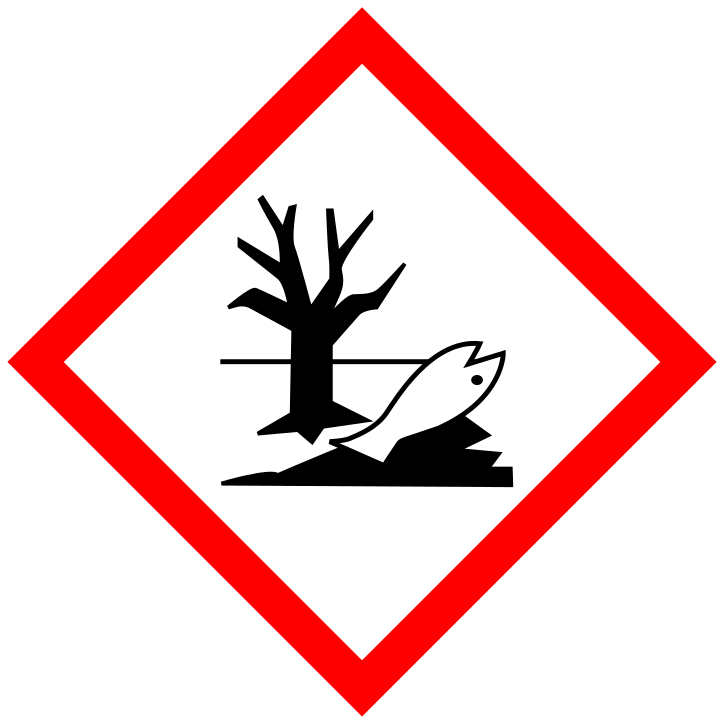
GHS hazard pictograms
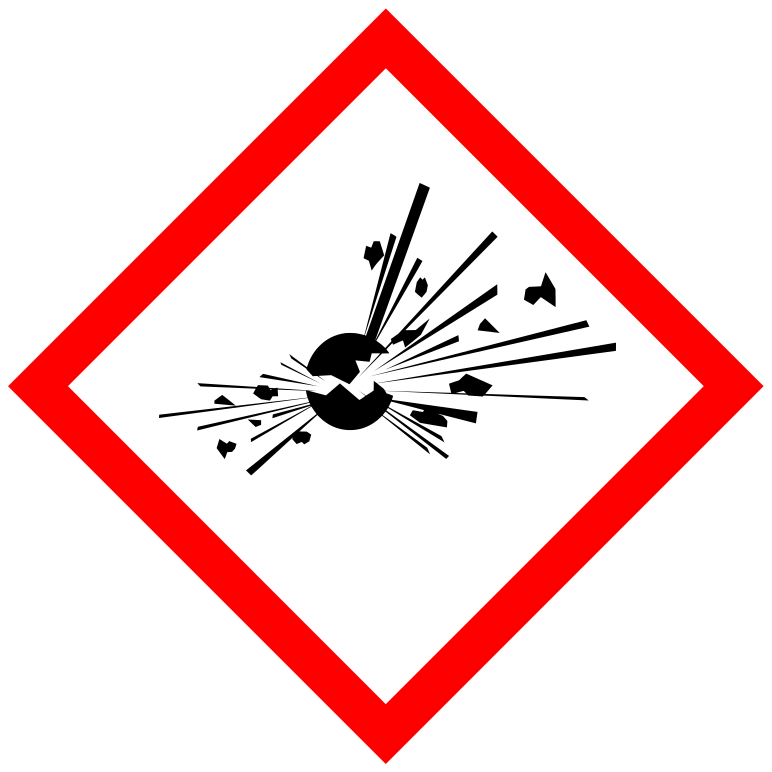
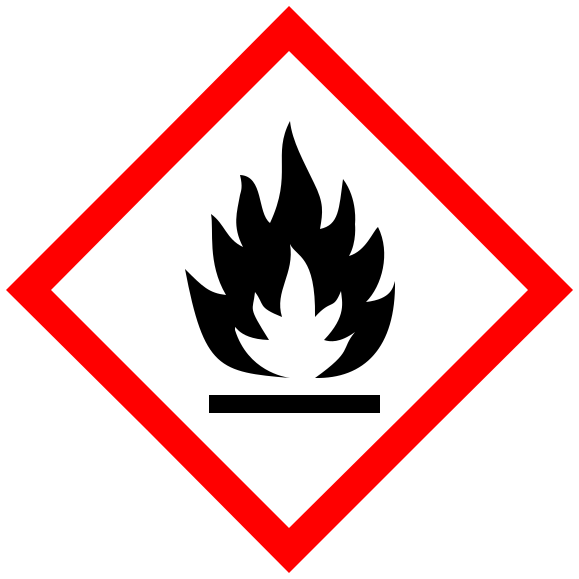
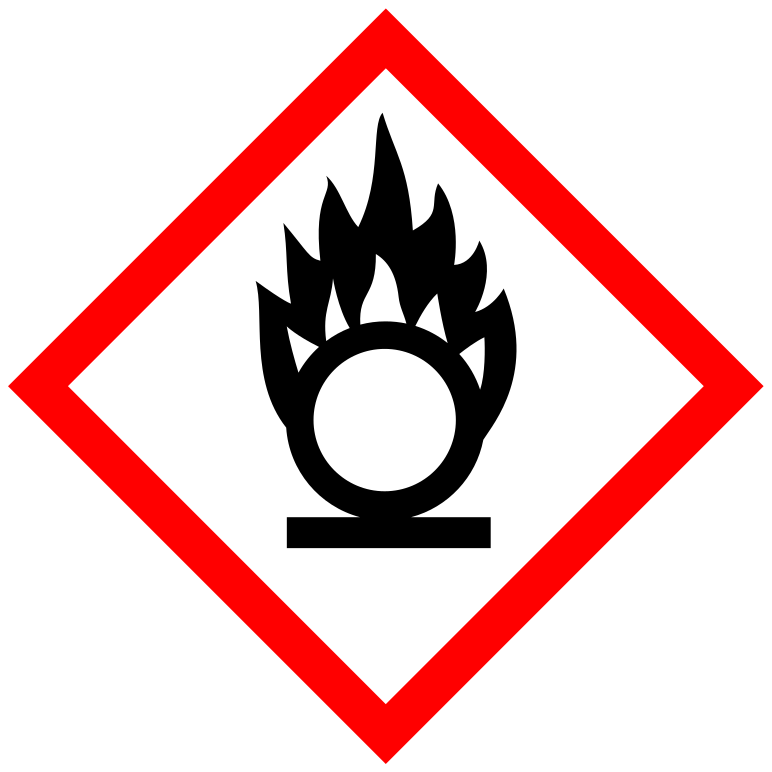
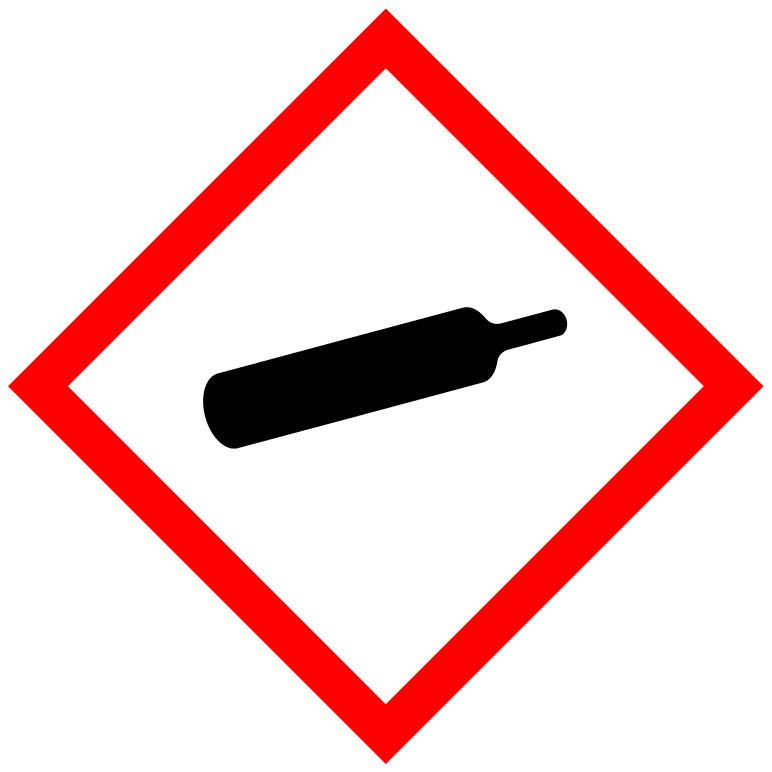
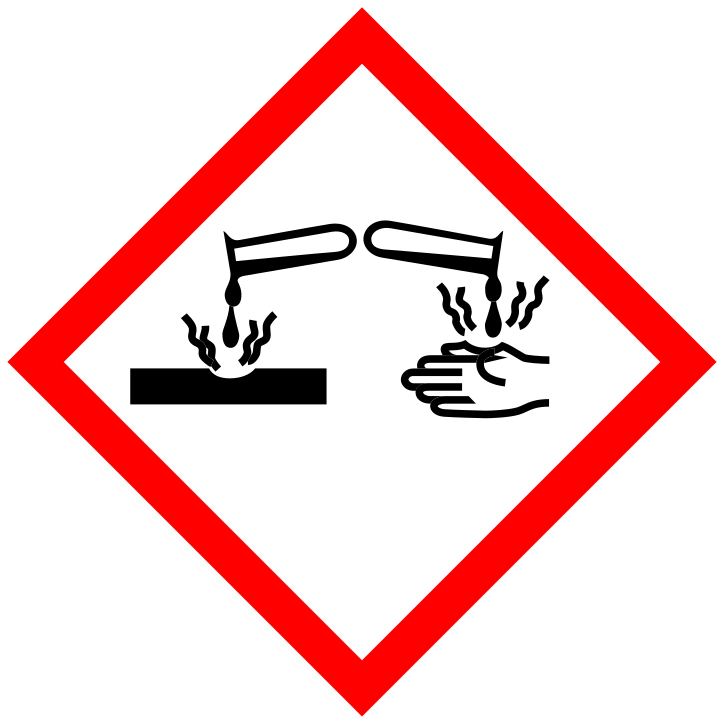
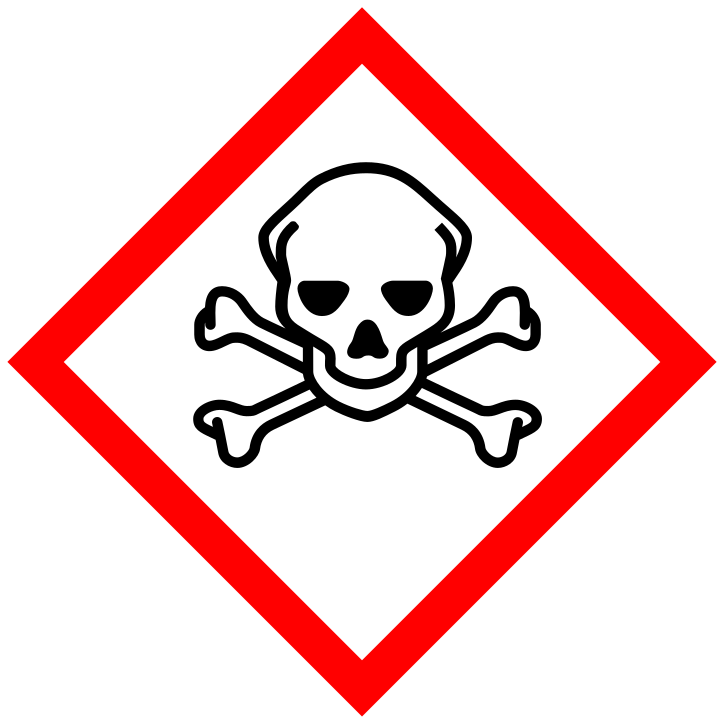
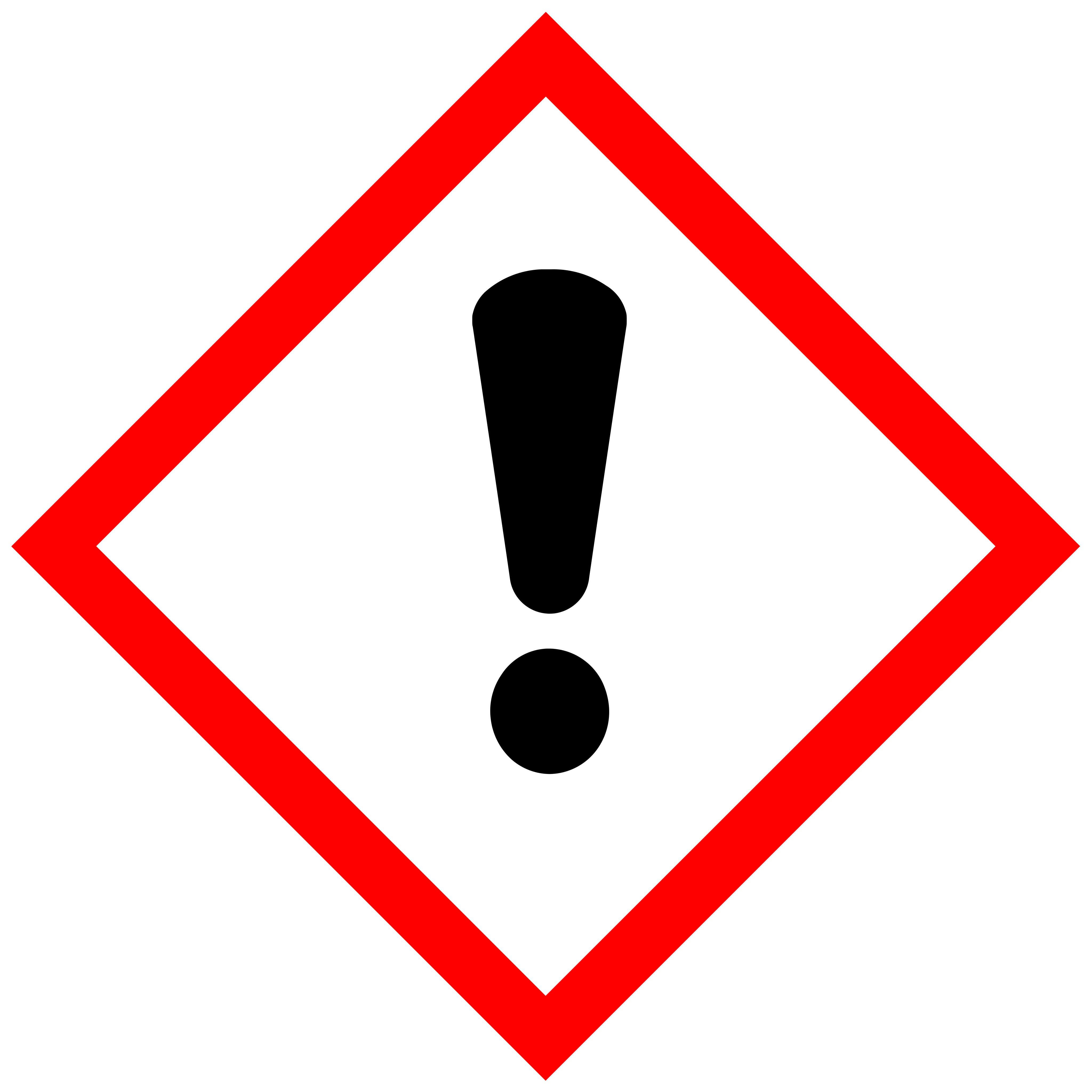
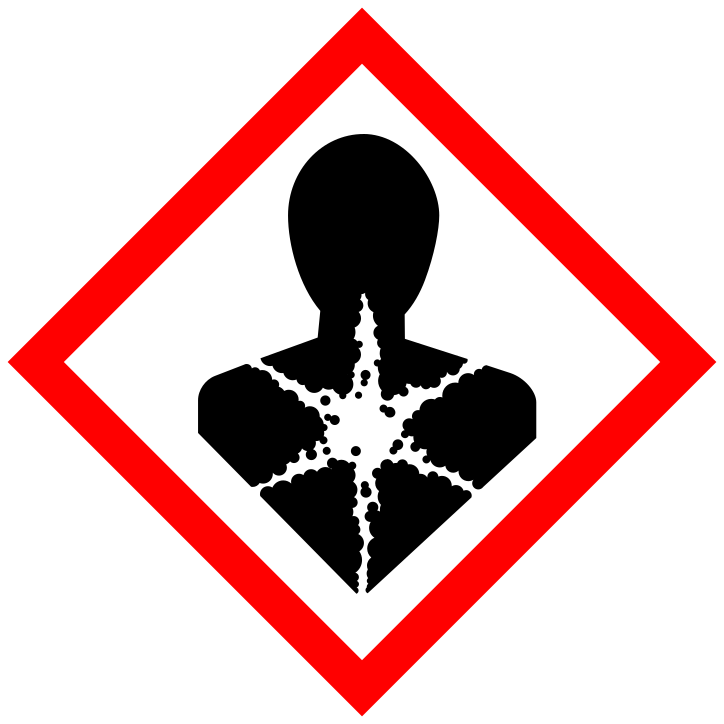
Label
- Product name, hazard pictogram(s), H-statements (hazards), P-statements (precautions), supplier name.
- User instructions in Dutch with or on the packaging.
Hazard diamond (NFPA)
- Red (top): fire hazard
- Blue (left): health hazard
- Yellow (right): reactivity / instability
- White (bottom): special info, e.g. W̶ = don't use water
- Scale 0 (none) to 4 (severe)
Exposure
- Routes: swallowing, breathing in, skin.
- Prevention order: tackle the source → ventilation → separate person and source → PPE.
- Poisoning can be acute (short, high exposure) or chronic (long-term).
- Limit value assumes a healthy adult, 8 h/day, 40 h/week, normal conditions.
- Smell is not a reliable warning.
Common substances
Organic solvents, cyclic compounds, acids and alkalis, heavy metals, carbon monoxide, asbestos, cement, household chemicals.
Asbestos
- Processing asbestos is prohibited; only removal/demolition, maintenance or with exemption, under an expert supervisor (DTA).
- Suspect asbestos? Stop work, have a sample tested by an independent lab, removal only by a certified company with trained staff.
Biological agents
Risks: infections, poisoning, allergies, moulds. Typical work: contact with animals, sewers, contaminated soil, waste processing, some hospital/nursing work.
Gas cylinders
- Colour code on the shoulder.
- Store correctly with good ventilation; never in or near basements, pits or trenches.
- Keep oxygen separate from flammable gases. Use suitable extinguishers; water to cool cylinders.
Supervision
- Toxicology studies harmful effects of substances; toxicity = how poisonous; sensitivity differs per person.
- Limit risks at the source with technical and organisational measures.
- Managers keep workers aware of dangers and hygiene, and check correct use of substances and PPE, tidiness, cleaning and waste disposal.
Data sheets, limit values, hygiene order
- The supplier's safety data sheet (MSDS) gives composition, hazards and limit values. Keep stock records; never use unlabelled containers.
- The hazard diamond appears on drums and tanks; it doesn't replace transport labels.
- Limit values: TWA 8 h (normal), TWA 15 min (e.g. CO), C value = never exceed, not even briefly.
- Hygiene order: substitute (e.g. detergent blocks instead of powder) → extraction → separate (spray booth) → PPE. Biological: avoid contact → closed system → limit time → PPE.
Substances and their effects
| Quartz dust | Dust lungs (silicosis) |
|---|---|
| Cement | Chemical skin burns |
| Carbon monoxide | Blocks oxygen uptake |
| Organic solvents (turpentine) | Brain/nerve damage (OPS) |
| Lead, mercury | Heavy metals, chronic poisoning |
| Asbestos | Asbestosis, lung cancer, mesothelioma |
- Asbestos order: stop work → don't cut/drill/break → independent lab sample → certified removal. The asbestos inventory sets the method.
- Legionella: grows in cooling towers and warm, stagnant pipes; flush regularly. Biological work: periodic medical checks.
- Cylinder shoulders: oxygen white, nitrogen black, CO₂ grey, air light green, acetylene chestnut brown. Store full and empty separately, secured.
- Unknown gas cloud or strange smell: keep away and inform your supervisor.
9Electricity and radiation
Hazards
- Lower resistance → higher current → more heat and injury.
- Severity depends on: path through the body, contact area, current, duration, voltage type/level and physical condition.
Working safely
- Double-insulated tools; installations and tools tested to NEN 3140.
- Not an expert? Don't touch.
- Site supply with residual current device (30 mA); earth metal containers and steel scaffolding.
- Safe voltage: max. 50 V AC or 120 V DC.
Static electricity
Antistatic additive, limit flow rate and fall height, earth pipes, equipment and tanks (and high-pressure sprayers), inert gas such as nitrogen, raise humidity, wear antistatic PPE.
Radiation
- Ionising (changes material; e.g. X-rays, nuclear, measuring equipment): harmful depending on strength, dose and exposure.
- Non-ionising (sunlight, UV, infrared, laser, radio, microwaves): harmful at high dose or long exposure.
- Measures: keep distance (4× farther = 16× lower dose), don't damage packaging, cordon off and sign, PPE, continuous monitoring, radiation expert present.
- Workers: personal dose measured, follow the rules, medical checks.
Voltage levels and competence
- Low voltage: 230 V (home) and 400 V (workshop). High voltage: above 1000 V (trains run at 1500 V DC).
- Safe voltage: 50 V AC / 120 V DC (dry conditions). AC is more dangerous than DC; wet is more dangerous than dry.
- Layman: only switch on/off. VOP (sufficiently instructed): simple work like plugs, under supervision. VP (skilled): maintenance on installations.
- Order: be competent → make voltage-free and secure → double-insulated tools → PPE. Damaged cord or moulded plug: qualified repair only.
- Static builds up by friction; earth it. If you smell gas, don't use a light switch (sparks).
- Radiation: 2× farther = 4× lower dose. X-ray weld checks: cordon off, personal dosimeters, radiation expert.
10Fire and explosion
Basics
- Fire needs fuel + oxygen + ignition source.
- Dangers: pressure wave (explosion), smoke (poor visibility, toxic gases), heat (burns to skin and airways).
- Oxygen above 21% = extra fire hazard.
- Flash point: lowest temperature at which a liquid gives off ignitable vapour.
- Explosion = very fast fire with pressure wave; possible between LEL and UEL.
- In explosive atmospheres: explosion-proof tools and antistatic clothing only.
Fire classes and extinguishing agents
| Class | Water | Foam | CO₂ | ABC powder | BC powder | D powder | Sand | Blanket |
|---|---|---|---|---|---|---|---|---|
| A solids wood, paper, textile, plastic | ✓ | ✓ | ✓ person / small | |||||
| B liquids petrol, oil, grease | ✗ | ✓ | ✓ limited | ✓ | ✓ | ✓ limited | ||
| C gases methane, propane, acetylene | ✗ | ✗ | ✓ limited | ✓ | ✓ | |||
| D metals magnesium, aluminium, sodium | ✗ | ✗ | ✗ | ✓ | ✓ limited | |||
| Electrical equipment | ✗ | ✓ spray foam | ✓ |
When you discover a fire
- Your own safety first.
- Report it (112 or internal emergency number).
- Warn people nearby.
- Close windows and doors.
- Follow the escape route. Only fight the fire if it's safe.
On an alarm: switch off ignition sources, leave the area, report at the assembly point.
Explosive atmospheres
- Forbidden without permission: entering, bringing hazardous equipment or materials, working without a permit.
- A fire watch / hot-work attendant is present during work.
- Zones: gas/vapour 0, 1, 2; dust 20, 21, 22 (lowest number = most hazardous).
Flash point classes
| Combustible | flash point above 55 °C |
|---|---|
| Flammable | 21–55 °C |
| Highly flammable | 0–21 °C |
| Extremely flammable | below 0 °C and boiling point below 35 °C |
- A mixture takes the lowest flash point of its components. Hot work only at max. 10% LEL.
- Other fire hazards: oxygen above 21% (never vent pure oxygen), peroxides, substances that react with water, self-ignition, static, lightning.
Extinguishing agents and first actions
- Class F = cooking oils and fats. Never use water on burning oil.
- CO₂ displaces oxygen and hardly cools (suffocation risk). Foam smothers. Powder interrupts the reaction (watch for re-ignition). Water cools. Halon is banned.
- Burning clothes → fire blanket. Cylinder in a fire: cool until water droplets stay on it.
- Order: alarm → warn → close windows and doors → extinguish if safe. Never use the lift; never go back in.
- Burns: cool 10–20 min with lukewarm water. Doctor if smoke was inhaled, the burn is bigger than the victim's palm, or it is black/white.
- Explosion meter alarm: switch off ignition sources and leave.
- Zones: 0/20 = present continuously; 1/21 = occasionally in normal operation; 2/22 = unlikely and brief.
11Accidents
Incidents
- Accident: unwanted event with damage and/or injury.
- Near accident: unwanted event without damage or injury. Report both to your manager.
- A good report: your name, location, what happened, number of victims and injuries.
Registration and investigation
- Register accidents, near misses, environmental incidents, fires and explosions — required by law and SCC, and needed to prevent repeats.
- Investigation aims to find causes and prevent accidents: investigate on site, keep evidence, interview witnesses and people involved, analyse, write a final report with conclusions and recommendations.
After an accident
- Order: report to your supervisor → take immediate measures → escort the victim to medical help → follow internal instructions.
- In a call also say what you already did. Don't hide anything, don't change the scene (unless to save lives), don't do CPR unless trained.
- Investigation uses the work permit, work instructions and witness interviews (quickly), ending in a final report. For an agency worker the hirer investigates.
12Emergency situations
Company emergency plan
- Measures to limit and fight the effects of a disaster, based on expected incidents (from the RI&E).
- Contains: evacuation map, location of safety equipment, alarm procedure for internal/external services, info on alarm types, fire/evacuation actions, first aid, drills and reporting.
- Employees and visitors must know the emergency procedure and evacuation areas.
During an emergency
- Phases: report → act / take measures → safeguard the situation → end the emergency.
- Stop work, don't use the phone, switch off equipment, go to the assembly point and report to the coordinator.
- Stay at the assembly point and wait for instructions from the emergency response team.
- Don't change anything at the accident scene.
Company Emergency Response (BHV)
- Every company needs enough trained emergency responders (may be shared with neighbouring companies), based partly on the RI&E.
- Tasks: first aid, fighting small fires, evacuation, contact with emergency services, prevention.
- Train and practise the plan internally and with emergency services; evacuation drill at least once a year.
More on emergencies
- Examples: fire/explosion, toxic release, biological or radiation incidents, severe weather, unrest, terrorism, loss of power or other infrastructure.
- Book's phases: report → actions and measures → termination.
- Evacuation order: stop work → close windows and doors → assembly point → report → wait for instructions.
- The plan includes the site map and the types of alarm and all-clear signals.
- Everyone joins drills: emergency team, staff, visitors, agency workers and trainees. Treat a drill as real. BHV needs replacements for holidays and illness.
✓The exam
| B-VCA | VOL-VCA | |
|---|---|---|
| Questions | 40 | 70 |
| Max. points | 4000 | 7000 |
| Pass mark | 2600 | 4500 |
| Time | 60 min | 75 min |
Question types
Multiple choice, multiple answer, matrix (yes/no per statement), ranking (put in order) and matching.
Tips
- Be on time; bring valid ID and a copy.
- No phones in the exam room.
- Read every question and all answers carefully.
- Answer everything — a blank answer is always wrong.
- Some questions need more than one answer.
Further reading
- ISO 7010 safety signs on Wikipedia
- GHS hazard pictograms on Wikipedia
- NFPA 704 fire diamond on Wikipedia
Sign and pictogram images come from Wikimedia Commons and are in the public domain.